
There’s a cure for this
Adam is sick and sleeping in the hotel room. We’re on a two week road trip and this little hiccup has slowed us down. I sneak out of the hotel room, grabbing a book on the way and find myself coffee and possibly the best cafe granola ever.
2 and half hours later, I’m still reading, I’ve had more coffee and it’s time to capture some thoughts on the book that has me completly engaged.

I’m reading There’s a cure for this by Dr Emma Espiner.
As it gets going, I’m thinking, this is great, and creating a mental list of all the people I will buy this book for and send to them. A niece studying medicine, a friend who feels lost, the list goes on.
Then a few more pages in and I figured, that everyone should read this book. I find myself reflecting on the groups of Māori and Pacific nurses I’ve stood up for, helped, offered support or tried something new with. I started thinking about how could I do more of that.
Then I was shamed by how cowardly I’ve been, staying quiet when I should have spoken up, or considered another way. My good intentions falling flat and missing the point.
I then sink into remembering the times when I’ve pulled on, relied on and taken from Māori rather than doing the work myself. Then for some reason, I’m sitting crying in the cafe as I think of my grandmothers.
“A day in the hospital can be messy, scary, surprising, enraging and profound, often all at once. ”
Then the ideas started. Inspiration of quotes to share, ideas to build on and the post-it notes came out. [Always go for coffee and granola prepared]. I took notes of phrases I didn’t want to forget.
Then I went back to reminiscing. My time as a student nurse, the long long night shifts, the friends I made, the stories and the lives I’ve connected with. I think about my privilege, my family, my hopes. I wonder at the description of hospital life who can lead amidst it all. How can anyone hope to lead through the chaos, the uncertainty, the complexity, and the raw nature of what healthcare delivery is?
Have we clearly understood what it means to lead healthcare if healthcare is this?
I think about my writing, my stumbling attempt, my storytelling and how that space is the space of small actions, the small changes that can have big impacts. This connects me with the shared joy, struggle, barriers and achievements from all my time in healthcare. From the very start to today.
“I don’t think that the challenge is to preserve our humanity as many people exhort us to do but to find a way to cultivate optimism and to find enough space in the madness to be there for each other. ”
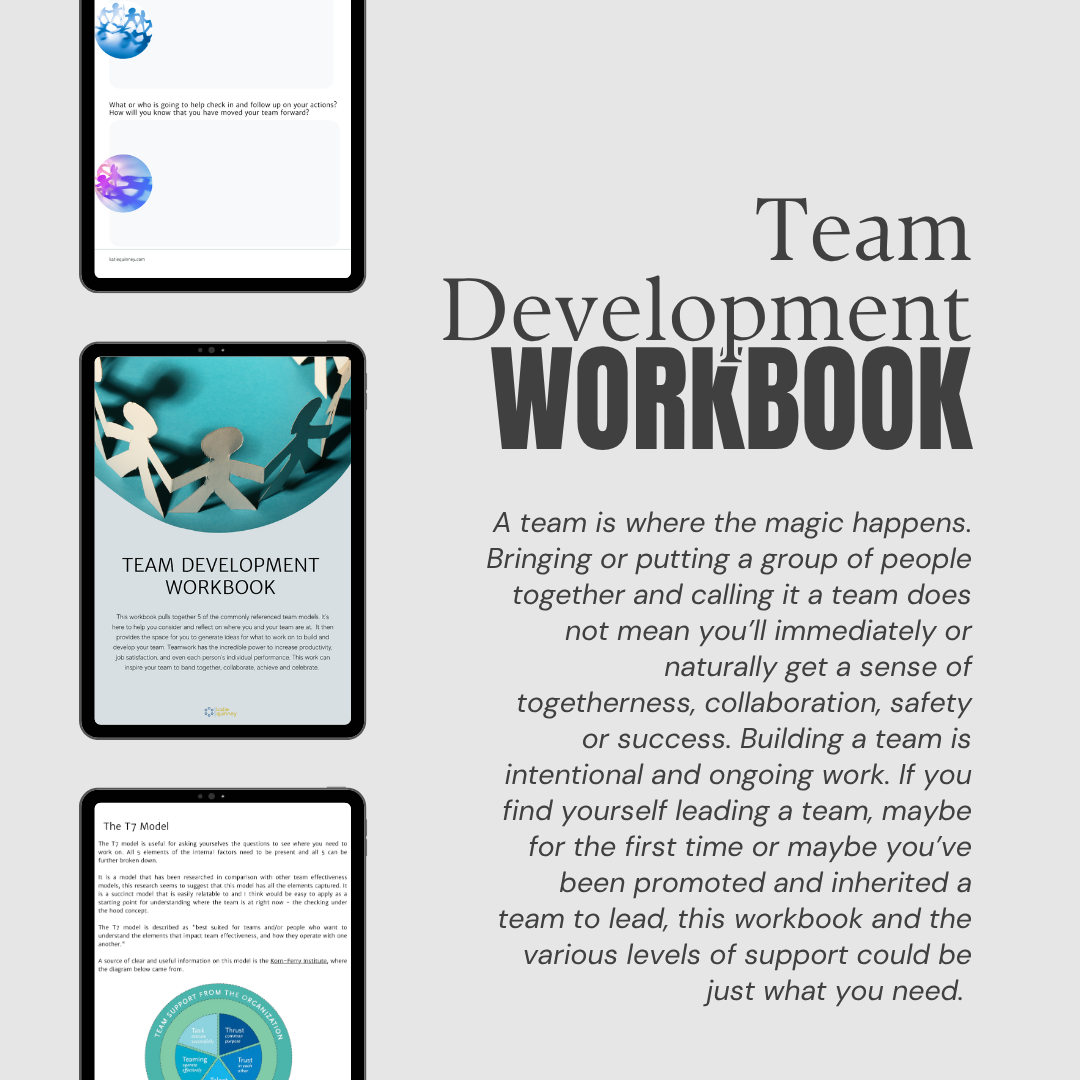
Are you leading a team and want to work with them and support them to be at their best but don’t know where to start?
This workbook summarises 5 common models that are referred to for team development and effectiveness. Working through the reflective prompts and questions you’ll get insights and ideas on your teams current status and those missing links that have been holding your back.
It will give you the blueprint for a pragmatic plan of action for your team. Taking them from where they are to where they want and need to be. Managing the demands and complexities of modern healthcare, while supporting each other, staying connected and engaged in the work that they do,
This workbook is a guide and the foundation for your team's success, perfect for the first-time leader or when you’ve stepped into a new role and are leading a new team.